

US–Israel vs Iran War 2026: Gulf Attacks, Strait of Hormuz Crisis, and the Death of Khamenei
The Middle East is witnessing one of the most dangerous geopolitical crises in decades as tensions between Iran, Israel, and the United States escalate into a full-scale regional conflict. What began as targeted strikes on Iranian military and nuclear facilities has rapidly expanded into missile exchanges, naval warfare in the Persian Gulf, attacks on oil infrastructure, and a global energy crisis.
This war has already triggered major events including airstrikes on Tehran, missile attacks on Gulf countries, closure of the Strait of Hormuz, and the reported death of Iran’s Supreme Leader Ayatollah Ali Khamenei. Together, these developments are reshaping global politics, energy markets, and international security.
Background: Why the US and Israel Attacked Iran
The conflict escalated sharply in February 2026, when the United States and Israel launched coordinated strikes on Iran targeting nuclear facilities, military bases, and key government infrastructure. The operations aimed to weaken Iran’s military capabilities and halt its nuclear ambitions.
The attacks targeted:
- Nuclear facilities
- Iranian Revolutionary Guard Corps (IRGC) bases
- Missile launch sites
- Military leadership and intelligence centers
These strikes marked the beginning of what many analysts describe as a direct war between Iran and the US-Israel alliance.
Death of Iran’s Supreme Leader Ayatollah Ali Khamenei
One of the most shocking developments during the war was the reported death of Iran’s Supreme Leader Ayatollah Ali Khamenei during the initial wave of US-Israeli strikes.
His death created massive political shock inside Iran and across the Middle East.
Major consequences included:
- Political instability in Iran
- Power struggle for leadership
- Calls for revenge against Israel and the United States
- Intensified missile attacks by Iranian forces
Iran has since prepared a state funeral and discussions have begun about potential successors, including senior clerics and political figures.
Iran’s Massive Retaliation Against Israel and the US
Iran responded quickly with large-scale retaliation operations using ballistic missiles, cruise missiles, and drones.
Major targets included:
- Israeli cities
- US military bases in the Middle East
- Gulf military facilities hosting American troops
- Strategic oil infrastructure
Iran launched missiles toward Ben Gurion Airport in Israel and other key military installations.
At the same time, Iranian forces expanded attacks across the region, signaling that the war could evolve into a wider Middle East conflict.
Attacks on Gulf Countries and US Military Bases
The war has expanded far beyond Israel and Iran.
Iran has launched strikes against US military bases and infrastructure across the Gulf region, including:
- Qatar
- Bahrain
- Kuwait
- United Arab Emirates
- Oman
For example:
- Iranian missiles struck Qatar, injuring civilians and forcing the closure of airspace.
- Missile and drone attacks targeted US Navy facilities in Bahrain, damaging infrastructure and causing casualties.
- Drone strikes hit ports and oil tankers in Oman, killing crew members and damaging energy infrastructure.
These attacks highlight how the war has spread into the Persian Gulf region, a critical global energy hub.
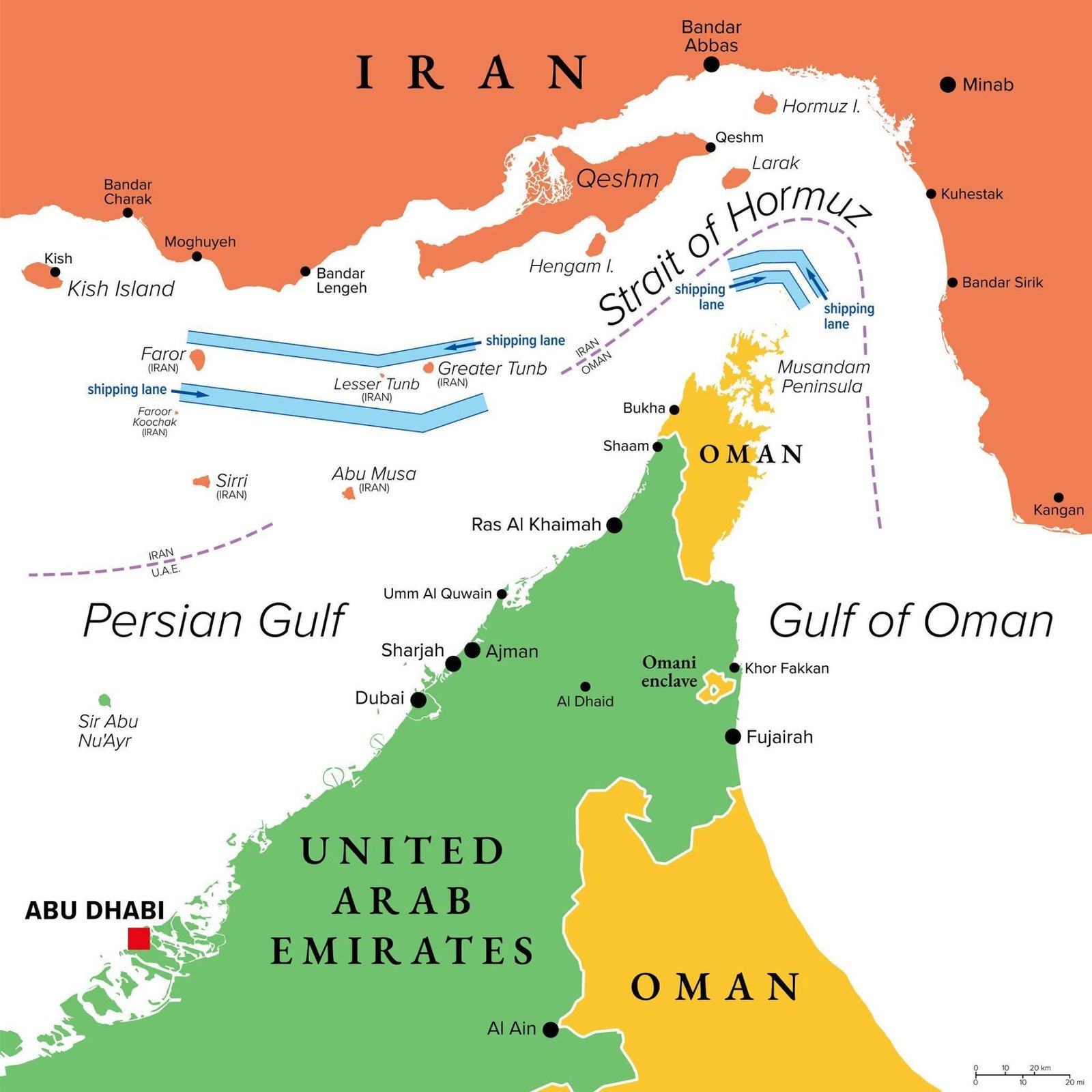
Strait of Hormuz Crisis and Global Oil Shock
One of the most significant developments in the war is the crisis in the Strait of Hormuz, one of the most important oil shipping routes in the world.
Around 20% of global oil supply passes through this narrow waterway, making it vital for global energy markets.
Following the US-Israeli attacks, Iran threatened to block the strait and warned that ships linked to Western countries could be targeted.
As a result:
- Hundreds of ships have been stranded
- Global oil prices surged
- Energy markets became extremely volatile
- Asian countries including India, China, Japan, and South Korea faced supply risks
Analysts warn that a prolonged shutdown could trigger a global energy crisis and economic shock.
Naval Warfare in the Persian Gulf and Indian Ocean
The conflict has also expanded into naval warfare.
One major incident involved a US Navy submarine sinking an Iranian warship in the Indian Ocean using a torpedo.
This marked the first confirmed submarine sinking of a surface warship by the United States in decades.
Meanwhile:
- Iranian forces targeted oil tankers
- Commercial shipping routes were disrupted
- Naval escorts were deployed to protect energy shipments
These developments have transformed the Persian Gulf into one of the world’s most dangerous maritime zones.
Attacks on Oil Infrastructure and Energy Facilities
The war has also targeted key oil infrastructure across the Middle East.
One major attack involved a drone strike on the Saudi Aramco Ras Tanura refinery, one of the largest oil facilities in the world.
Although damage was limited, the attack forced temporary shutdowns and contributed to a spike in global oil prices.
Energy analysts warn that continued attacks could disrupt:
- Oil production
- Global shipping
- LNG exports
- Industrial supply chains
Global Economic Impact
The war is already affecting global markets.
Key impacts include:
Oil Prices Surge
Energy prices jumped sharply due to fears of supply disruptions from the Middle East.
Shipping Crisis
Commercial vessels face high risks traveling through the Persian Gulf.
Asian Energy Security
Countries such as India and China, which rely heavily on Middle Eastern oil imports, face growing energy risks.
Could This Become World War 3?
Experts warn the conflict could expand further if more countries become involved.
Potential escalation scenarios include:
- Hezbollah entering the war from Lebanon
- Gulf states joining the conflict
- NATO involvement through US alliances
- cyber warfare and economic sanctions
- nuclear escalation fears
Already, the war has expanded across Israel, Iran, Lebanon, the Persian Gulf, and the Indian Ocean, making it one of the largest regional conflicts in recent years.
Conclusion
The US–Israel vs Iran war has rapidly transformed into a complex regional crisis involving missile strikes, naval battles, and energy disruptions.
Key developments shaping the conflict include:
- US-Israeli airstrikes on Iranian targets
- the reported death of Iran’s Supreme Leader Ayatollah Ali Khamenei
- Iranian missile retaliation across the Middle East
- attacks on Gulf countries and US bases
- a global oil shock triggered by the Strait of Hormuz crisis
As the conflict continues to escalate, the world faces the possibility of a wider Middle East war with global consequences for security, energy markets, and international politics.